

Aluminum Plate Bar Cooler Applications in Modern Equipment
Introduction
If you've spent time around industrial equipment, you've probably noticed that heat causes more problems than people expect.
A compressor that used to run normally starts shutting down more often. Hydraulic oil gets hotter during summer. Equipment performance feels slightly slower after several hours of operation.
Most of the time, the root cause isn't a major mechanical failure. The cooling system simply can't remove heat fast enough anymore.
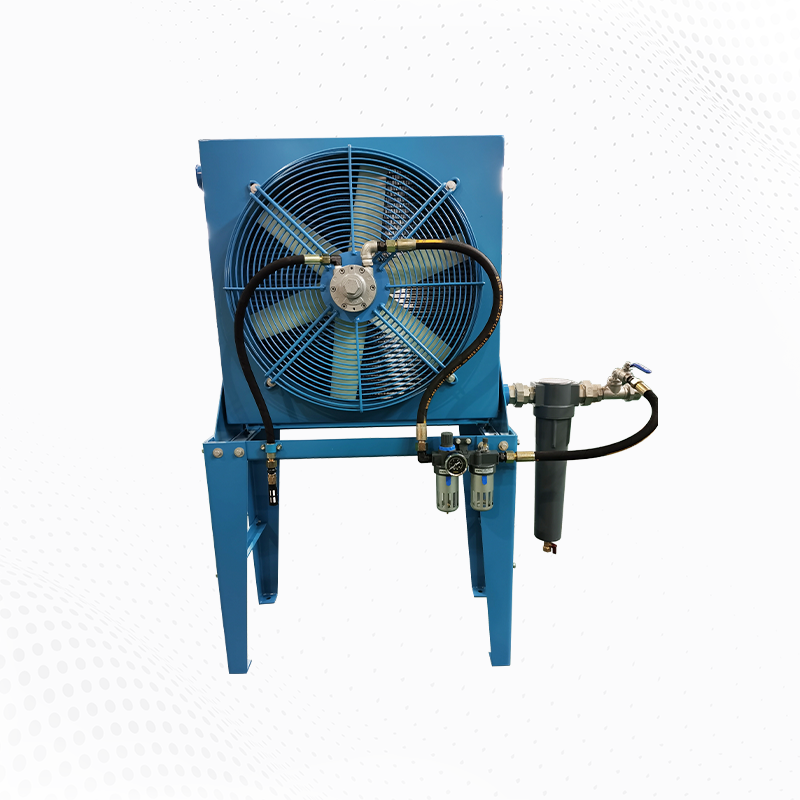
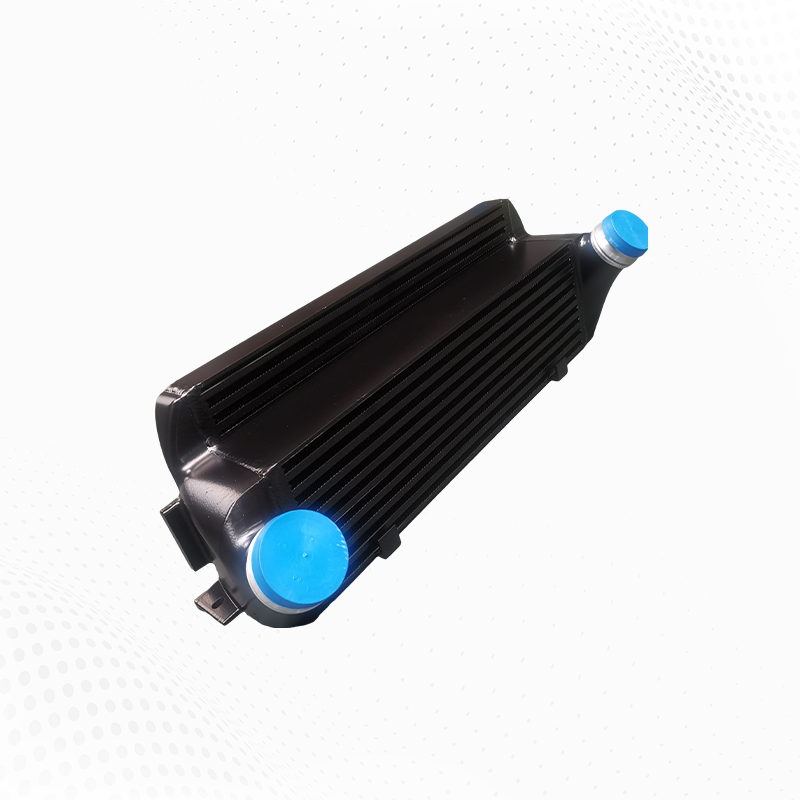
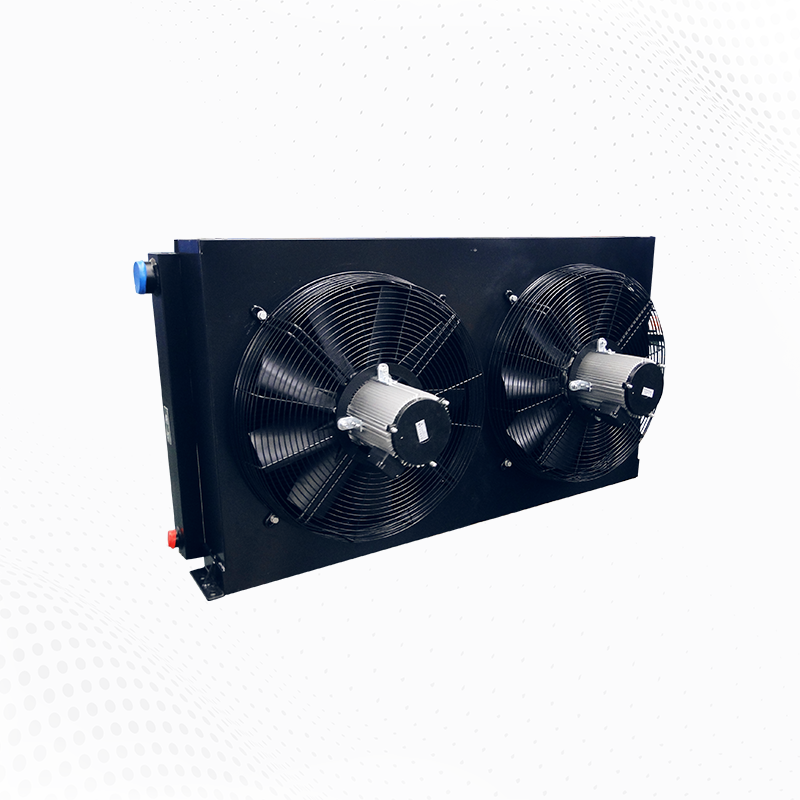
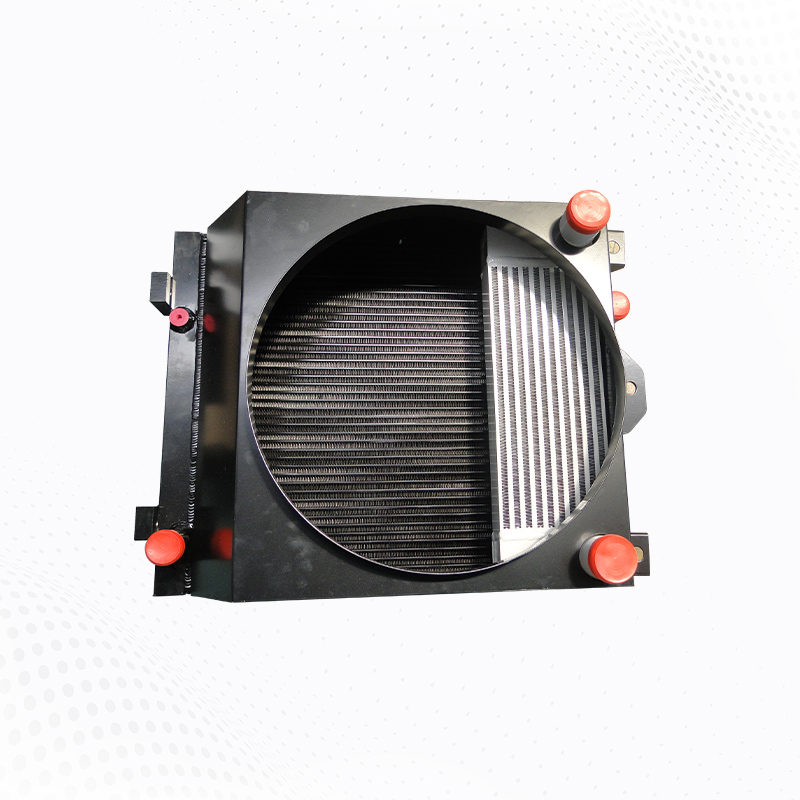
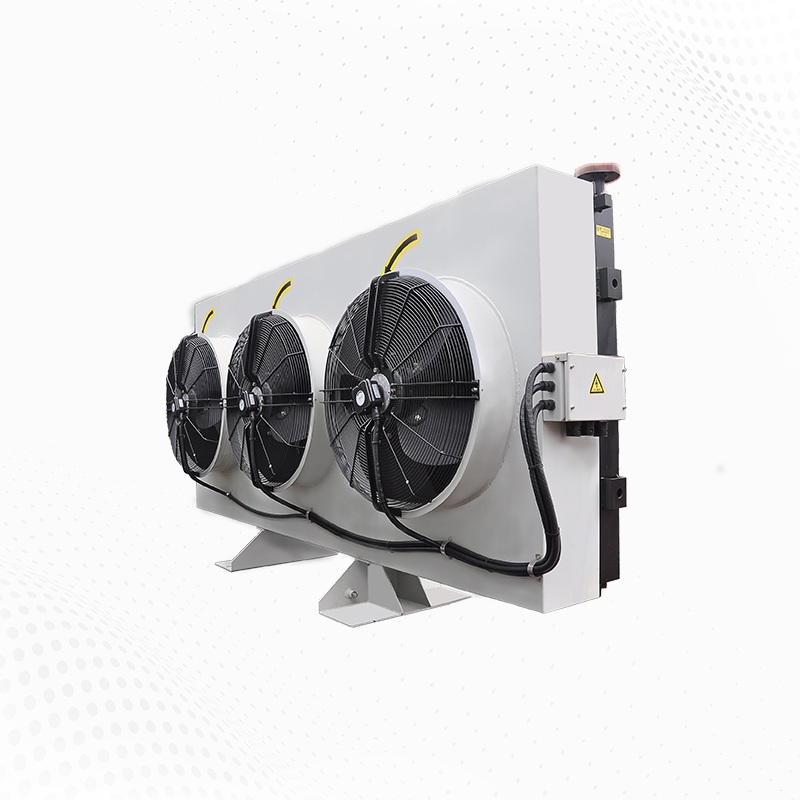
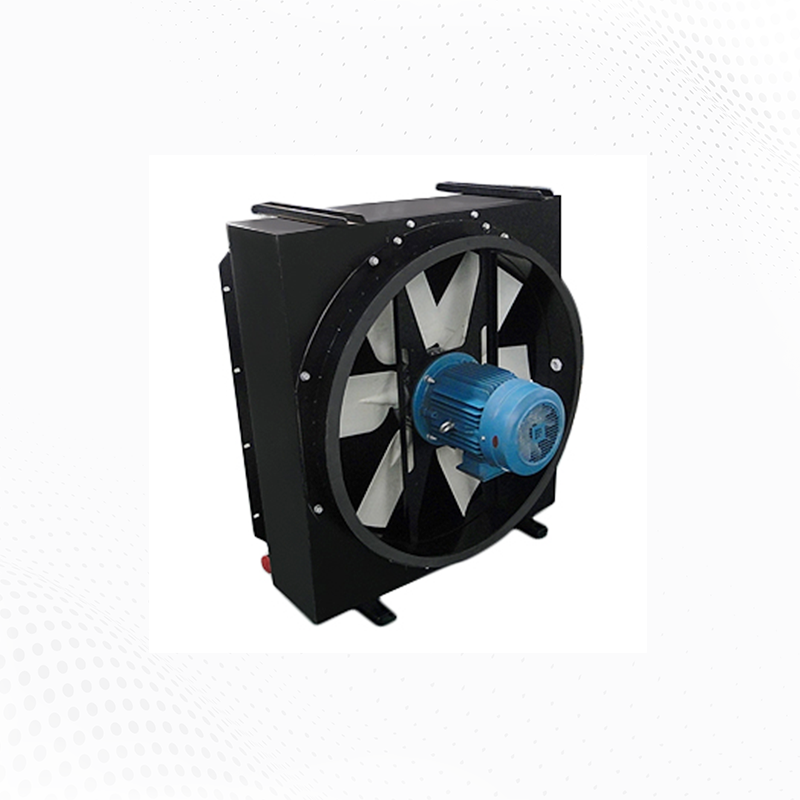
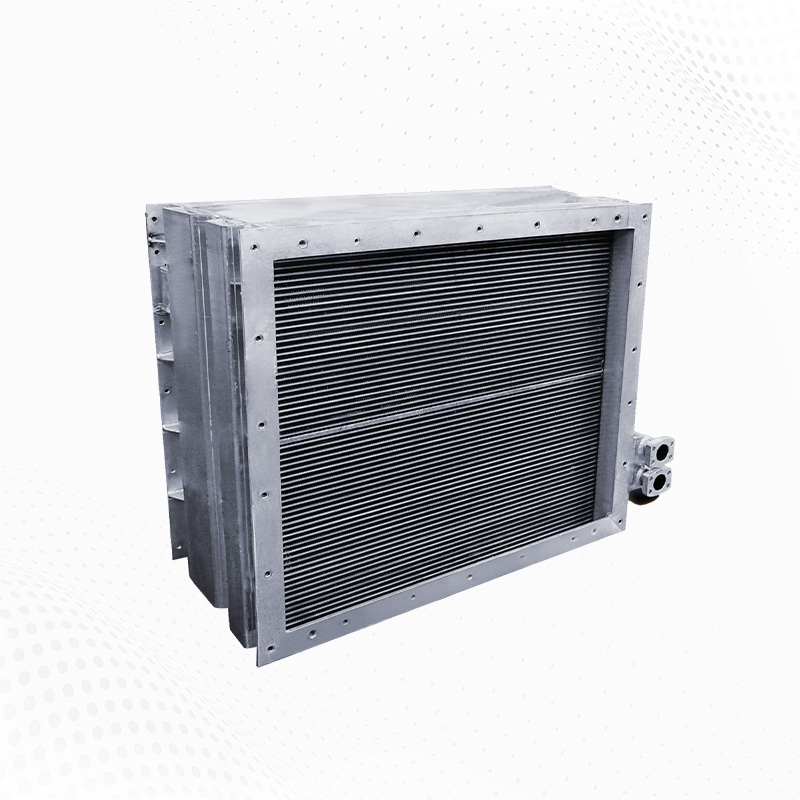
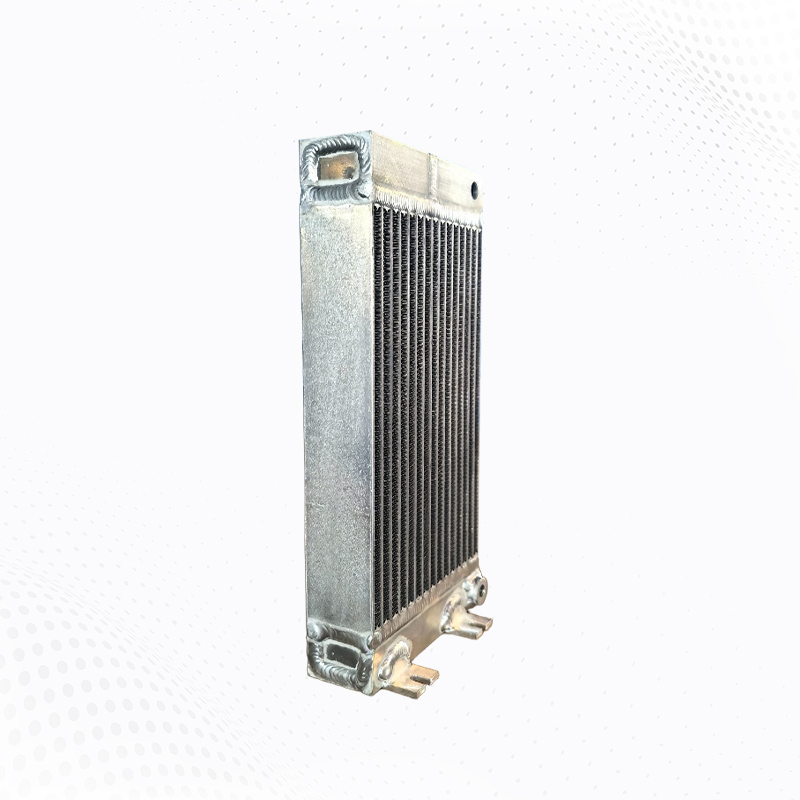
That's one reason the aluminum plate bar cooler has become increasingly common in industrial equipment over the last few years. Its compact design and strong heat-transfer capability make it suitable for everything from a small air compressor cooling system to a large industrial heat exchanger package.
Inside Compressor Systems
Walk into almost any factory and you'll find compressors running somewhere in the background.
Some run only during production hours. Others operate almost continuously.
When compressors stay under load for long periods, oil temperature gradually climbs. Once temperatures become excessive, efficiency drops and maintenance intervals usually get shorter.
This is where an air compressor cooling system becomes important.
A properly sized aluminum plate bar cooler helps remove heat before it becomes a problem. Because of its compact structure, the aluminum plate bar cooler fits easily into modern compressor packages where every inch of space matters.
Many manufacturers now use an industrial heat exchanger based on plate-bar technology because it delivers strong cooling performance without dramatically increasing equipment size.
Hydraulic Systems That Never Really Rest
Hydraulic systems create heat every day, whether operators notice it or not.
The harder the machine works, the harder the cooling system has to work as well.
For hydraulic power units, injection molding machines, and heavy industrial equipment, a reliable hydraulic oil cooler often makes the difference between stable operation and recurring temperature issues.
The aluminum plate bar cooler works particularly well as a hydraulic oil cooler because it combines a relatively small footprint with efficient heat dissipation.
We've seen cases where upgrading a hydraulic oil cooler solved problems that operators originally thought were caused by pumps or valves.
Sometimes the issue isn't the hydraulic system itself. It is simply running too hot.
Construction Machinery in the Real World
Cooling equipment always looks good in a catalog.
The real test happens on a construction site.
Dust covers everything. Equipment vibrates constantly. Summer temperatures can push machines far beyond normal operating conditions.
In those situations, cooling systems need to be practical, not just efficient on paper.
The aluminum plate bar cooler is popular in construction equipment because it provides good cooling capacity without adding much weight.
Whether it's part of an air compressor cooling system or functioning as a hydraulic oil cooler, the goal remains the same: keep temperatures under control during long working days.
A well-designed industrial heat exchanger also helps maintain performance when airflow isn't ideal, which happens more often than most brochures admit.
Common Concerns Before Buying
When customers contact YUDA, the questions are usually straightforward.
Will it fit?
Space restrictions are one of the biggest reasons people choose an aluminum plate bar cooler.
Is it suitable for continuous operation?
A properly designed air compressor cooling system should handle long operating hours without performance loss.
What about hydraulic applications?
A quality hydraulic oil cooler can operate reliably for years when matched correctly to the system.
Does maintenance take a lot of time?
Most modern industrial heat exchanger designs are relatively simple to inspect and clean.
What Matters More Than Cooler Size
One misconception appears again and again: bigger coolers automatically perform better.
In reality, sizing depends on operating conditions.
When selecting an aluminum plate bar cooler, factors like oil flow, ambient temperature, airflow, and duty cycle matter far more than overall dimensions.
The same applies to an air compressor cooling system. A larger unit won't solve overheating if airflow remains restricted.
Likewise, choosing the wrong hydraulic oil cooler can create efficiency problems even if cooling capacity looks adequate on paper.
A properly matched industrial heat exchanger almost always outperforms an oversized one that never operates efficiently.
Mistakes That Cause Problems Later
A few purchasing mistakes appear repeatedly.
Some buyers focus only on price.
Others underestimate operating temperatures.
Some install a good air compressor cooling system but neglect airflow around it.
We've also seen equipment fitted with an undersized hydraulic oil cooler, which works well in winter but struggles throughout summer.
Even a high-quality industrial heat exchanger cannot compensate for poor installation or incorrect sizing.
Conclusion
The job of an aluminum plate bar cooler sounds simple: remove heat.
But in practice, that job affects equipment reliability, maintenance schedules, energy consumption, and overall operating costs.
Whether it serves as part of an air compressor cooling system, operates as a hydraulic oil cooler, or functions as an industrial heat exchanger, the result is the same. When temperatures stay under control, equipment tends to last longer and perform more consistently.
That's why cooling is rarely the first thing people notice—but it's often the first thing they miss when it stops working.
