

Aluminum Plate Bar Heat Exchanger Selection Guide for Industrial Cooling Systems
Introduction: Why Cooling Performance Matters More Than Ever
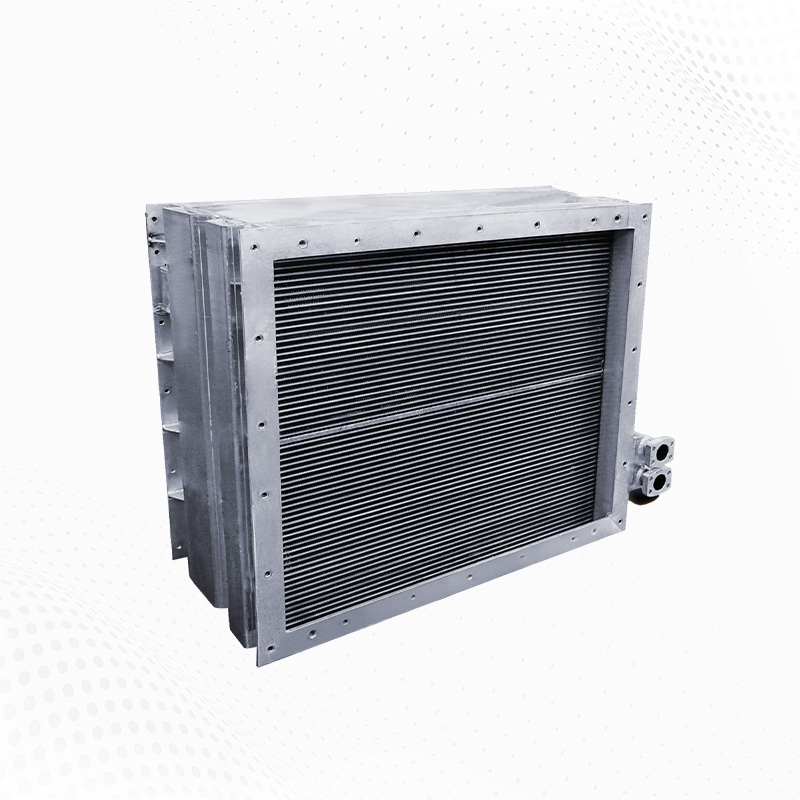
In industrial equipment, stable temperature control directly affects efficiency, service life, and operating cost. When oil temperature rises beyond design limits, systems lose efficiency fast. That is why many engineers and equipment buyers now prioritize the aluminum plate bar heat exchanger as a core thermal solution. At YUDA, we work daily with customers who need reliable cooling for compressors, hydraulic systems, and mobile machinery, and we see clear reasons why this technology keeps gaining attention.
Application Scenarios: Where Aluminum Plate Bar Heat Exchanger Performs Best
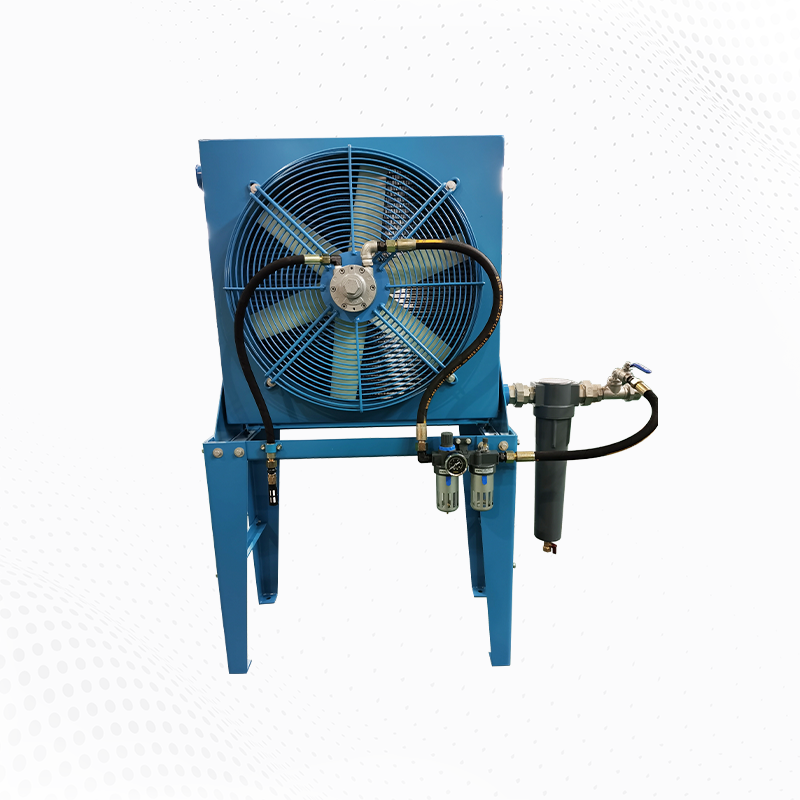
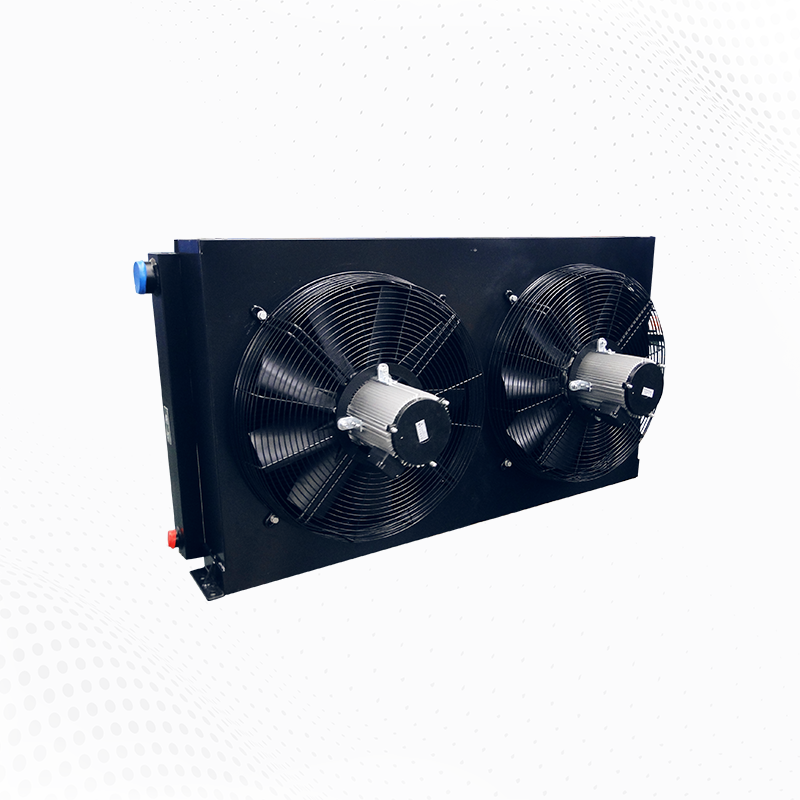
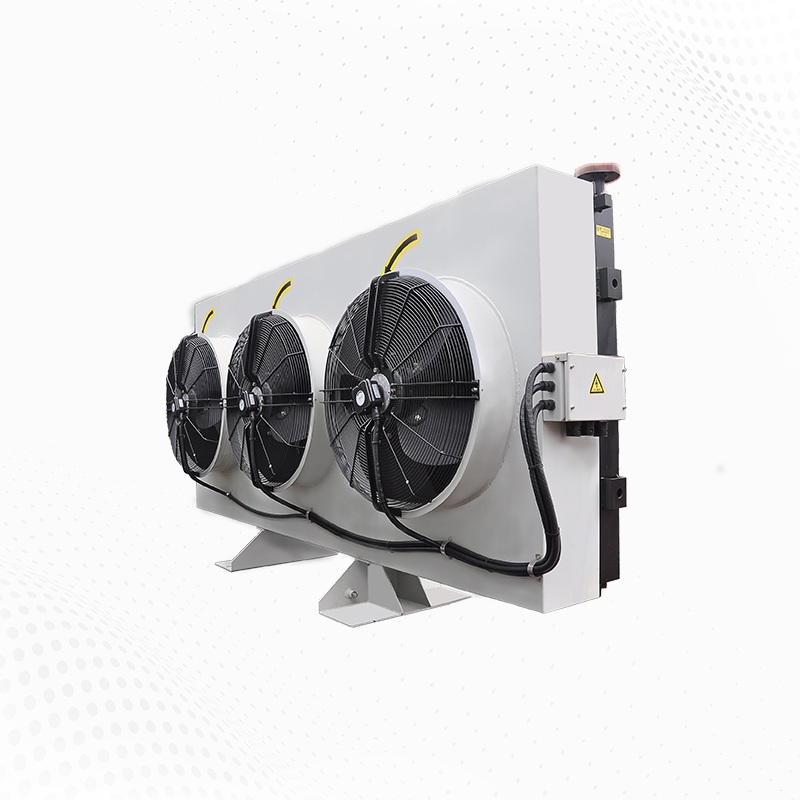
An aluminum plate bar heat exchanger fits well in systems where space, weight, and efficiency all matter. Typical applications include screw compressors, hydraulic power units, construction machinery, and transport equipment. Many of these systems also rely on an air cooled heat exchanger to avoid water complexity.
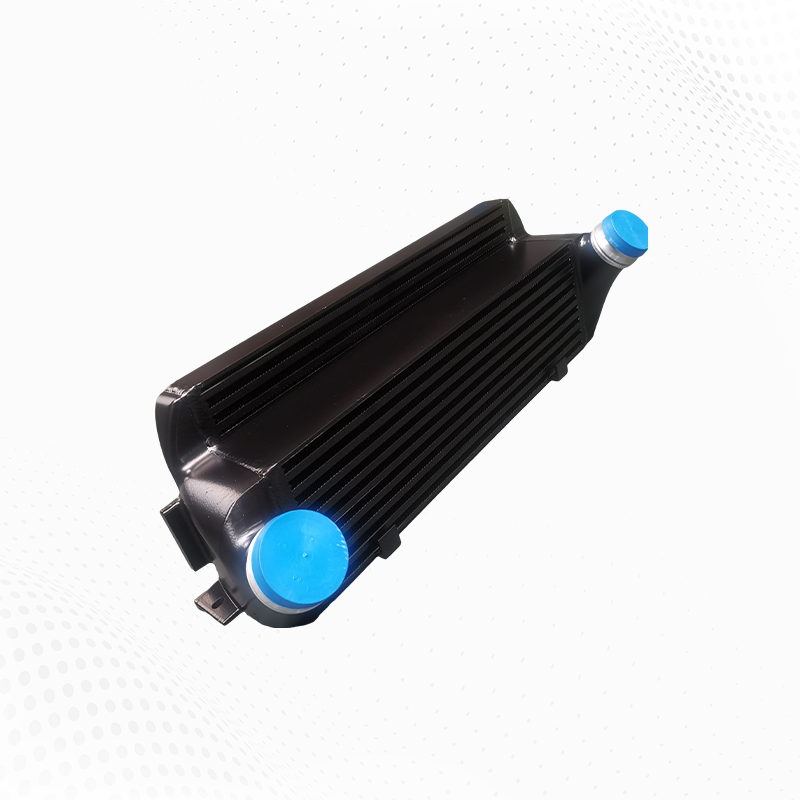
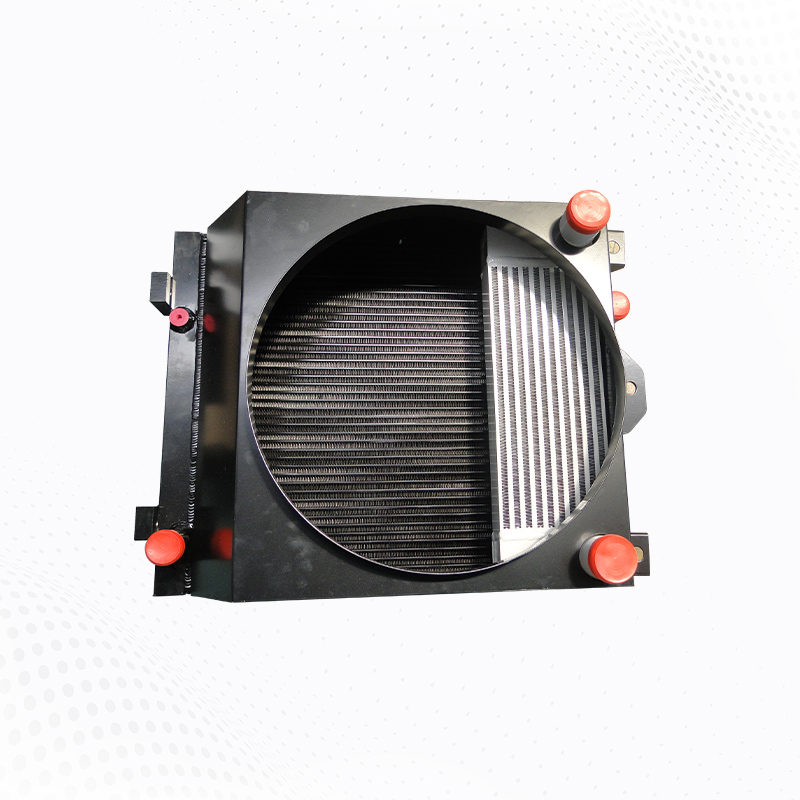
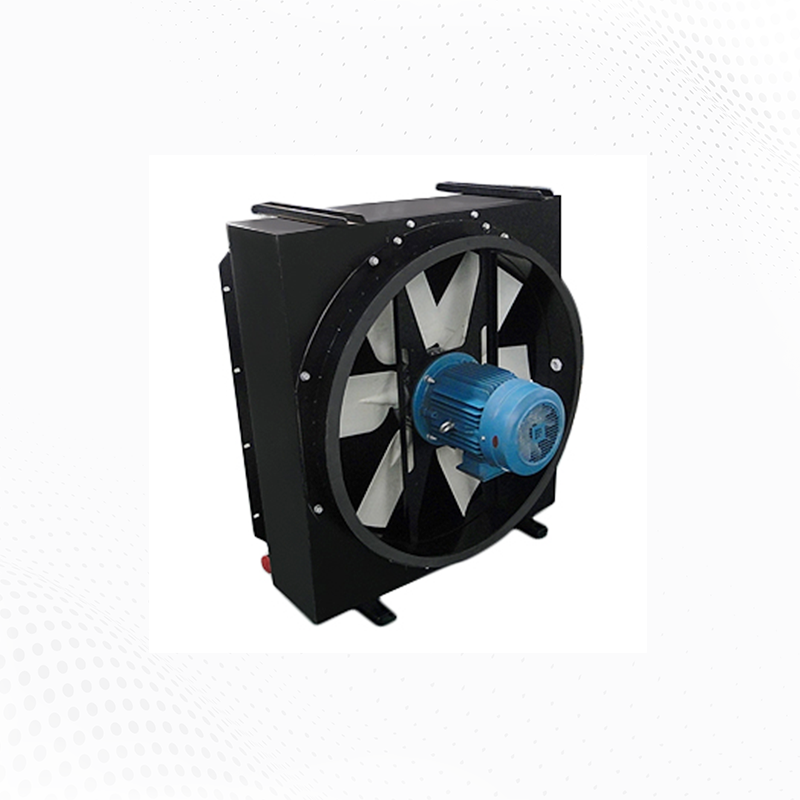
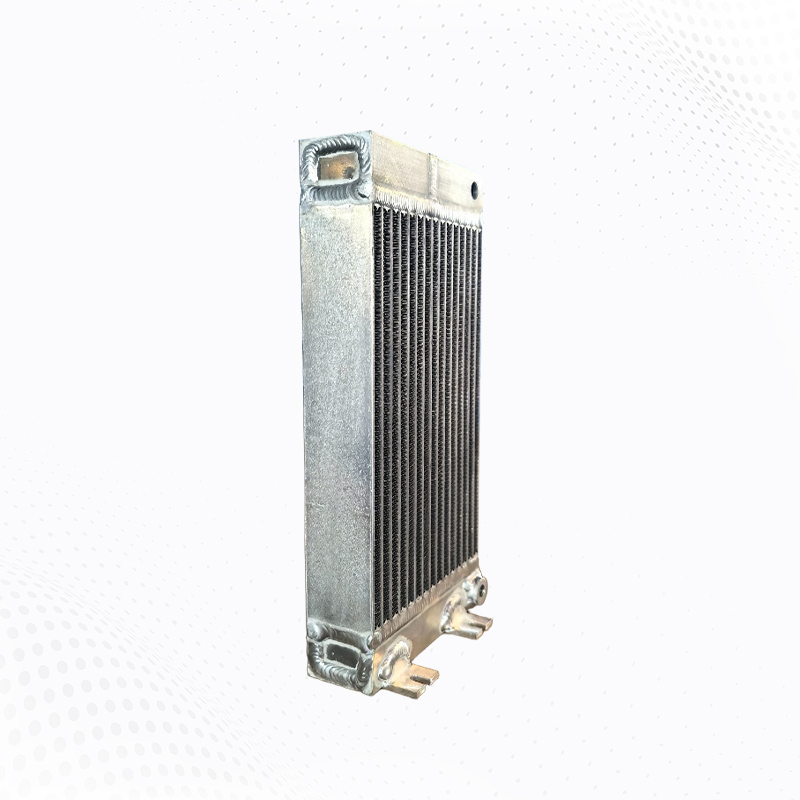
When customers require compact integration, an aluminum plate bar cooler offers a balanced solution. It handles high thermal loads while staying lightweight. In hydraulic systems, pairing an aluminum plate bar heat exchanger with a hydraulic oil cooler heat exchanger improves oil stability during long operating cycles.
Common Pain Points Customers Care About
From a buyer’s perspective, the main concerns are always practical. First, overheating causes oil degradation. Second, poor cooling leads to unplanned downtime. Third, bulky designs limit installation options. An aluminum plate bar heat exchanger directly addresses these issues through high surface efficiency and compact structure.
Compared with traditional tube designs, an aluminum plate bar cooler transfers heat faster and reacts better to load changes. When combined with an air cooled heat exchanger, users avoid water leakage risks and reduce maintenance effort. For hydraulic users, a hydraulic oil cooler heat exchanger built on plate bar technology maintains oil viscosity more consistently.
Key Selection Factors Engineers Should Not Ignore
Choosing the right aluminum plate bar heat exchanger depends on several factors. Heat load calculation comes first. Airflow availability follows closely, especially for systems using an air cooled heat exchanger. Material compatibility also matters when oil types vary.
Customers often ask whether an aluminum plate bar cooler handles continuous operation. The answer is yes, if fin density and core size match the duty cycle. In hydraulic systems, a properly sized hydraulic oil cooler heat exchanger prevents temperature spikes during pressure surges. At YUDA, we guide customers through these decisions using real operating data, not assumptions.
Parameter Recommendations from Practical Experience
From field experience, an aluminum plate bar heat exchanger should always operate below its maximum thermal limit. Oversizing slightly improves reliability. Air velocity must remain stable to support an air cooled heat exchanger design.
For mobile equipment, an aluminum plate bar cooler benefits from vibration-resistant mounting. In stationary systems, airflow control improves performance consistency. A hydraulic oil cooler heat exchanger should match oil flow rate and viscosity range to avoid pressure drop issues.
Common Mistakes to Avoid During Selection
One frequent mistake is choosing based on size alone. A smaller aluminum plate bar heat exchanger may fit physically but fail thermally. Another mistake is ignoring airflow quality when selecting an air cooled heat exchanger.
Some buyers underestimate oil type influence. A mismatched hydraulic oil cooler heat exchanger reduces cooling efficiency and increases energy use. Finally, improper fan selection limits the performance of even the best aluminum plate bar cooler.
Why YUDA Earns Trust in Thermal Solutions
At YUDA, our focus stays on proven engineering. Every aluminum plate bar heat exchanger we supply reflects real industrial feedback. We design each aluminum plate bar cooler to balance efficiency, durability, and installation flexibility.
Our experience with air cooled heat exchanger systems allows us to recommend practical airflow solutions. For hydraulic customers, each hydraulic oil cooler heat exchanger undergoes performance verification before delivery. This approach builds long-term reliability, not just short-term performance.
Conclusion: Making a Smarter Cooling Investment
A well-chosen aluminum plate bar heat exchanger improves equipment stability, reduces maintenance, and protects core components. Whether paired with an air cooled heat exchanger, configured as an aluminum plate bar cooler, or integrated into a hydraulic oil cooler heat exchanger, the right design delivers measurable value. For buyers who prioritize efficiency and reliability, aluminum plate bar technology remains a smart long-term investment.
