

Common Mistakes When Using Aluminum Plate Fin Heat Exchanger in Industry
Introduction
Most problems with cooling systems don’t happen because the product is bad. They happen because the system was not matched correctly at the beginning.
In real projects, an aluminum plate fin heat exchanger is often installed under pressure—limited space, tight budget, and unclear operating conditions. Later, when temperature issues appear, people start looking at the cooler itself.
But in many cases, the issue is not the equipment. It is how the system was selected or installed.
This is why understanding common mistakes with aluminum plate fin heat exchanger applications is important before problems show up.
Mistake 1 — Choosing Only Based on Size
This is probably the most common one.
Many buyers assume a bigger aluminum plate fin heat exchanger automatically means better cooling. In real operation, it doesn’t work like that.
In an air compressor cooling system, airflow, oil flow, and ambient temperature matter more than physical size.
We’ve seen systems where a large plate fin heat exchanger for air compressor cooling systems still underperformed simply because airflow direction was wrong.
A correctly matched air compressor cooling system will always outperform an oversized but poorly integrated one.
Mistake 2 — Ignoring Real Working Temperature
Datasheets usually show ideal conditions.
But real machines don’t run in ideal conditions.
A hydraulic oil cooler based on aluminum plate fin heat exchanger may work fine at 30°C ambient temperature, but behave differently at 45°C outdoor operation.
This is very common in construction machinery and mining equipment.
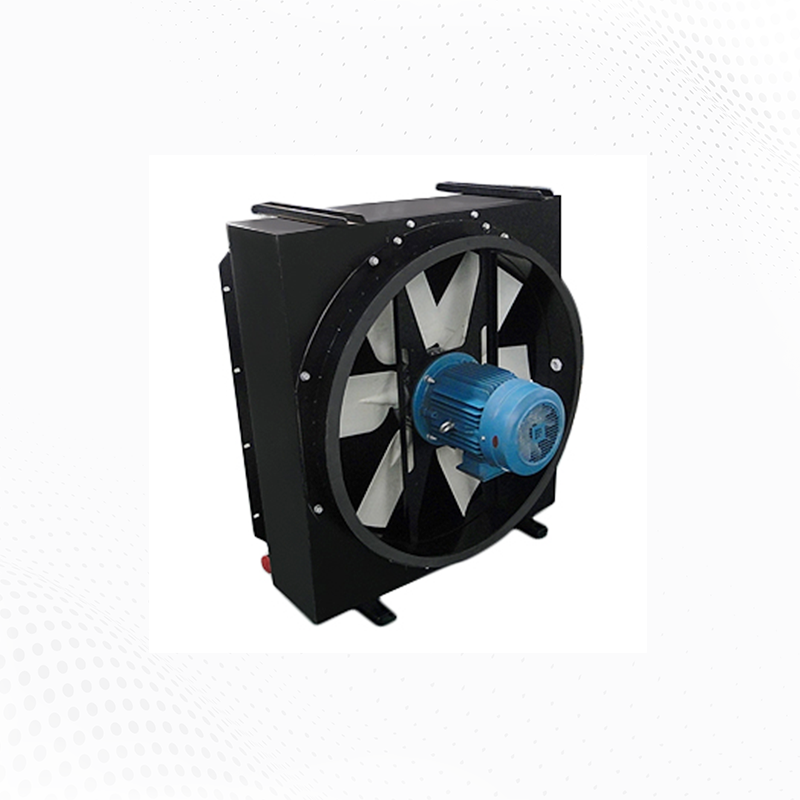
A compact heat exchanger for hydraulic oil cooling applications must be selected based on peak load, not average load.
Otherwise, the hydraulic oil cooler starts struggling exactly when you need it most.
Mistake 3 — Poor Airflow Design Around the Cooler
Even a good aluminum plate fin heat exchanger will perform poorly if airflow is blocked.
This happens a lot in compact equipment design.
For example, in an air compressor cooling system, other components are added later, and airflow space becomes restricted.
The result is simple: temperature rises, even though the air compressor cooling system itself looks fine on paper.
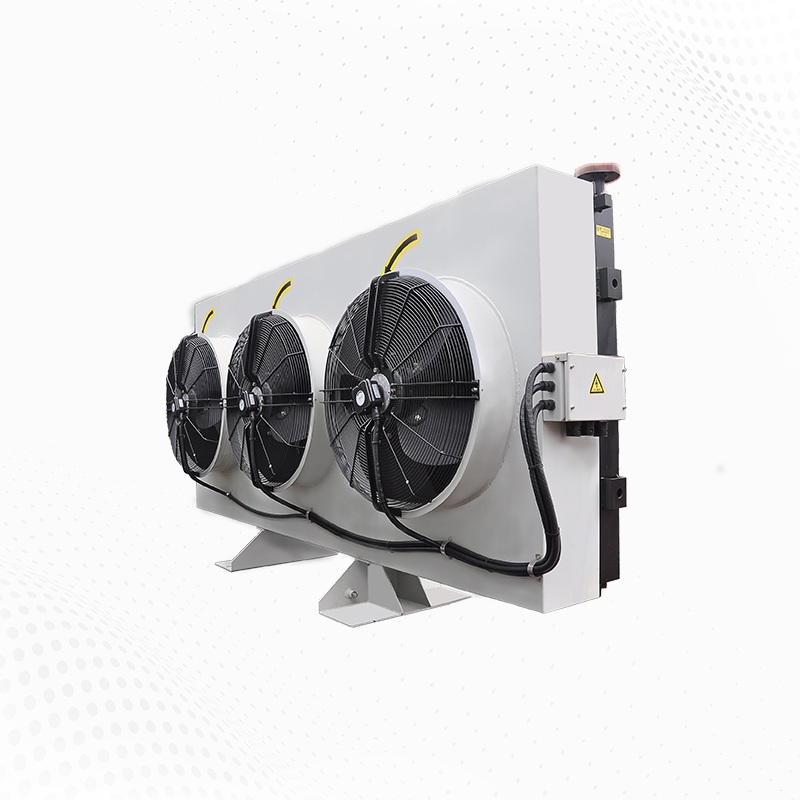
An air cooled heat exchanger needs clean, stable airflow to perform properly. Without it, efficiency drops fast.
Mistake 4 — Wrong Application Matching
Not every aluminum plate fin heat exchanger fits every system.
We often see a cooling system for construction machinery using the same specification as a stationary industrial setup.
But mobile equipment behaves differently. Vibration, dust, and load changes are constant.
A mobile equipment oil cooler or excavator hydraulic oil cooling system needs stronger adaptability than a fixed industrial heat exchanger.
When the match is wrong, overheating issues appear even if the cooler itself is technically fine.
Mistake 5 — Underestimating Continuous Operation
Some systems look fine during short testing.
But after 6–8 hours of continuous operation, temperature slowly increases.
This happens in many industrial compressor cooling system setups.
A properly designed aluminum plate fin heat exchanger should handle long duty cycles without performance drop.
If not, the industrial compressor cooling system will gradually lose efficiency during peak production hours.
What Engineers Usually Check First
When troubleshooting, engineers rarely start with the cooler.
They usually check:
Airflow path in the air compressor cooling system
Load conditions on the hydraulic oil cooler
Installation space around the aluminum plate fin heat exchanger
Actual duty cycle of the system
In many cases, the industrial heat exchanger is not the root problem. The system around it is.
How to Avoid These Problems Early
A few simple checks can prevent most issues:
Don’t size the aluminum plate fin heat exchanger only by catalog data
Always consider peak temperature, not average
Keep airflow clear in any air cooled heat exchanger setup
Match mobile and stationary systems differently
Design the air compressor cooling system as a full system, not a single component
These steps sound basic, but they are often skipped in real projects.
Conclusion
Most failures involving an aluminum plate fin heat exchanger are not sudden. They build up slowly due to design or selection decisions made earlier.
Whether it is used in an air compressor cooling system, a hydraulic oil cooler, or a broader industrial heat exchanger setup, performance depends heavily on how well the system is matched to real operating conditions.
Cooling equipment usually doesn’t fail first. System design does.
