

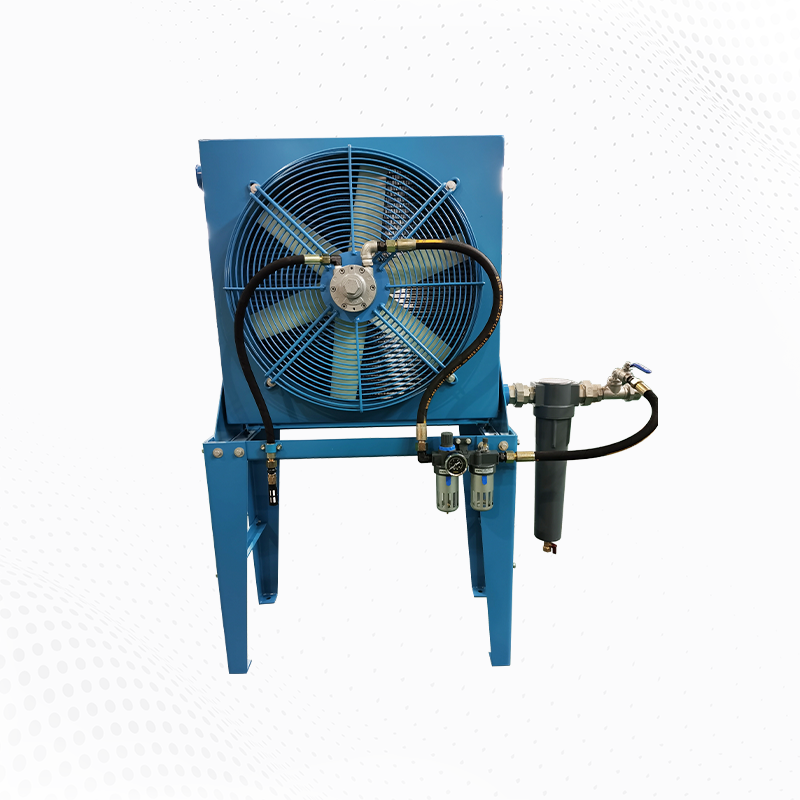
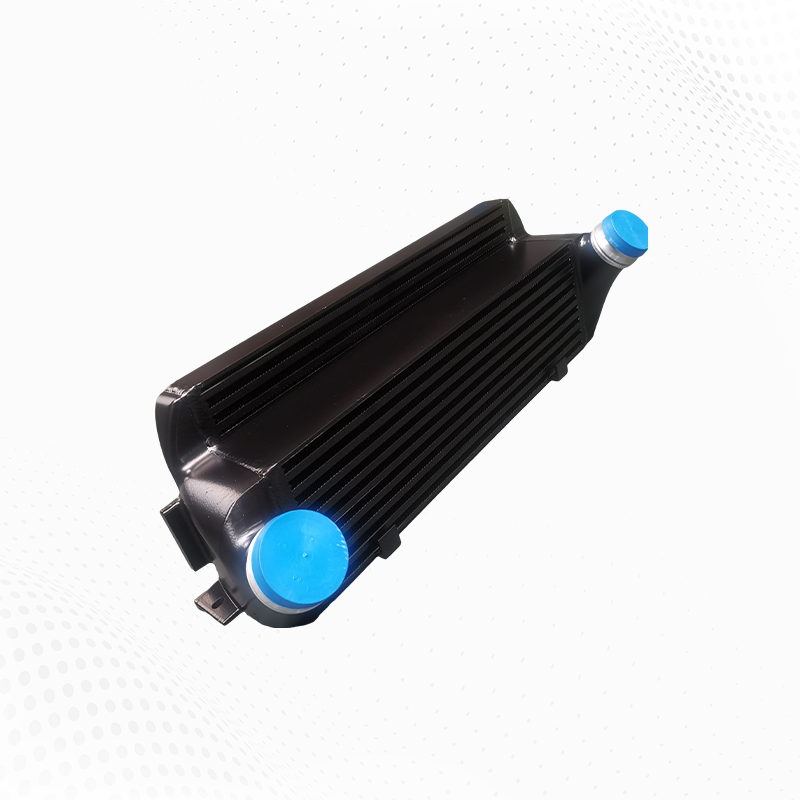
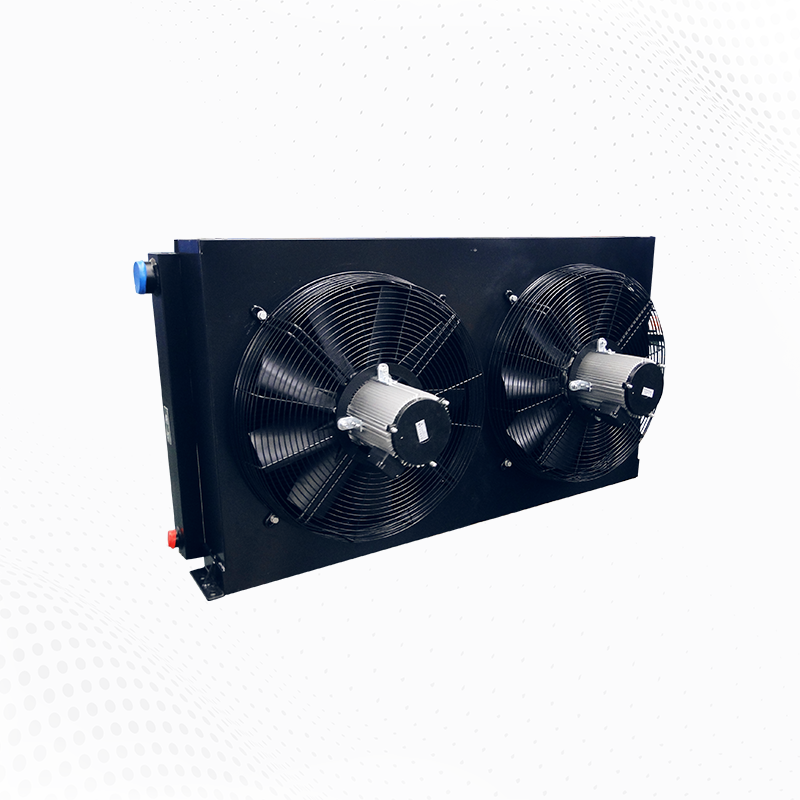
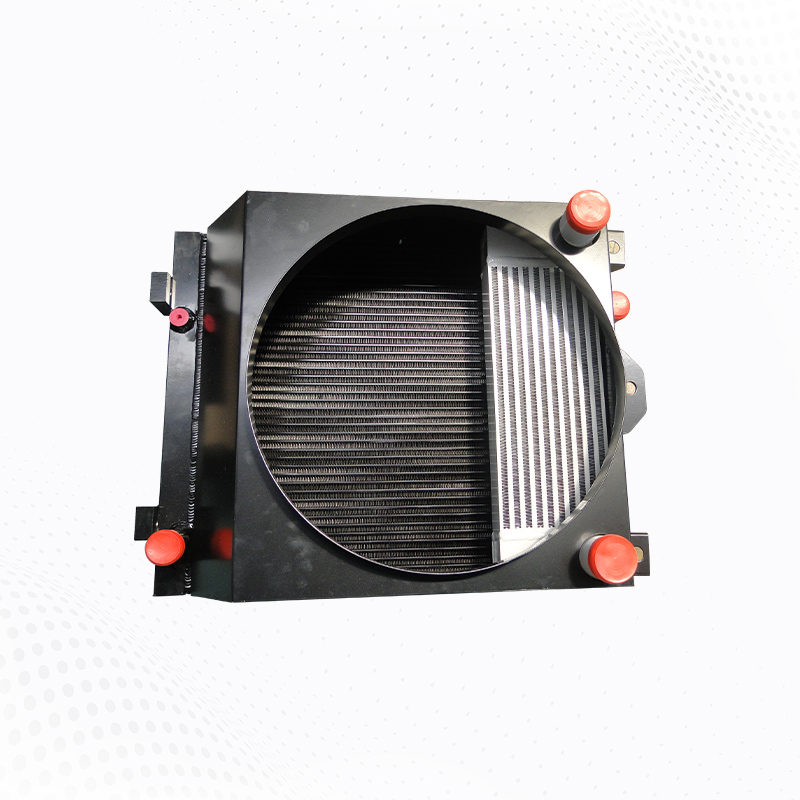
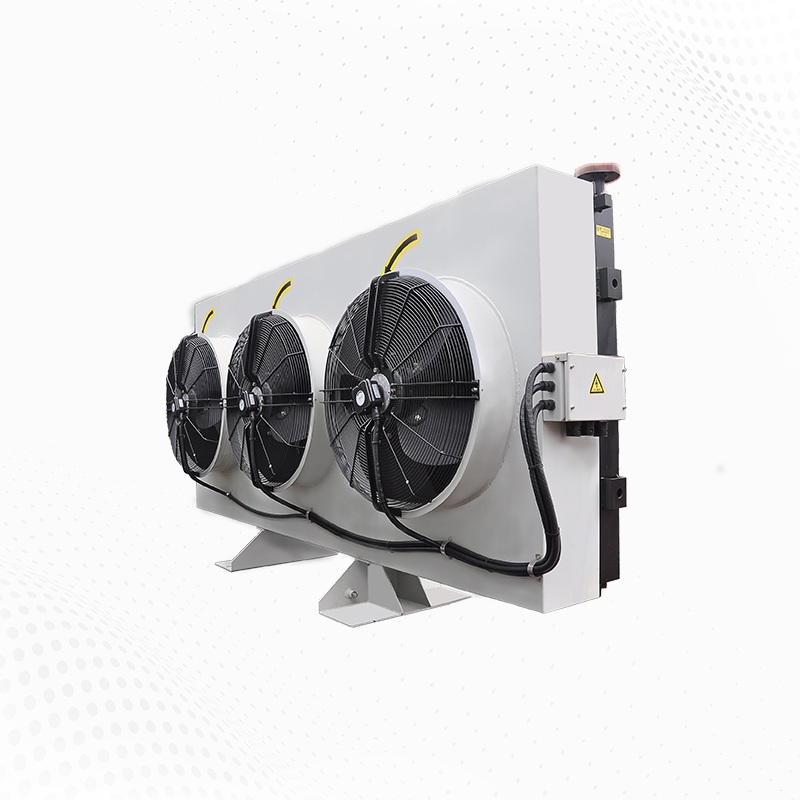
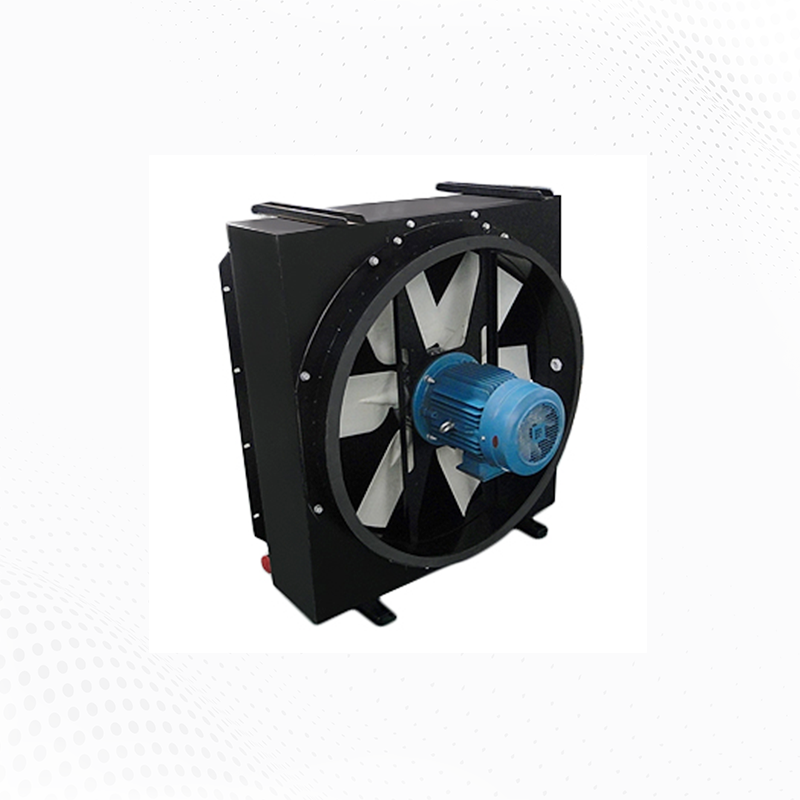
Water Cooler for Inner Converter Cabinet: Stable Cooling for Power Electronics
Introduction: Why Converter Cabinet Cooling Matters
Modern power electronics generate heat fast. Inside an inverter or converter cabinet, even small temperature swings can affect system stability, component life, and safety. A Water Cooler For Inner Converter Cabinet solves this problem by delivering controlled, efficient heat removal in compact electrical environments. At YUDA, we design cooling systems for real industrial conditions, not lab assumptions. Our experience with thermal management helps customers protect critical components and avoid unplanned downtime.
Application Scenarios: Where Inner Cabinet Cooling Is Essential
A Water Cooler For Inner Converter Cabinet is commonly used in frequency converters, IGBT cabinets, energy storage systems, and industrial drives. These cabinets operate continuously and generate concentrated heat. Without proper cooling, internal temperatures rise quickly.
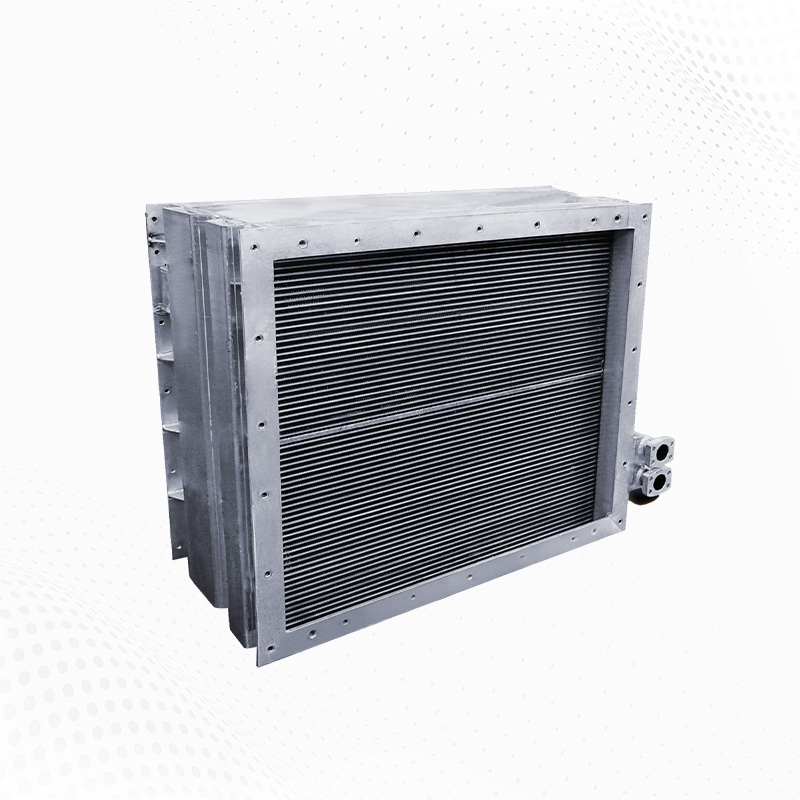
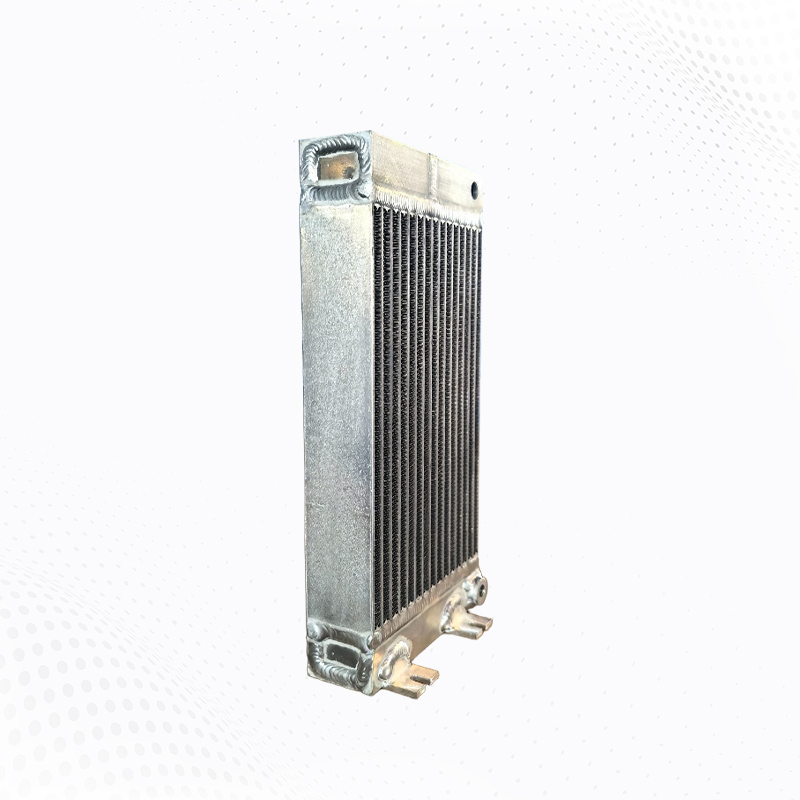
YUDA engineers often integrate the Water Cooler For Inner Converter Cabinet with an aluminum plate fin heat exchanger to maximize heat transfer while keeping the structure compact. In large electrical rooms, customers may also combine inner cabinet cooling with a water cooler for outer converter cabinet, creating a complete thermal loop from core components to external heat rejection.
Common Pain Points: What Buyers Actually Worry About
From a buyer’s perspective, cooling decisions come with real concerns.
Will the cooler fit inside my cabinet? Yes. The Water Cooler For Inner Converter Cabinet uses a compact layout designed for tight electrical spaces.
Is cooling performance stable under continuous load? YUDA systems maintain steady temperatures even during long operating cycles.
Does water cooling increase maintenance risk? With proper sealing and an aluminum plate fin heat exchanger, leakage risk stays extremely low.
These questions guide our design philosophy for every Water Cooler For Inner Converter Cabinet we build.
Selection Guide: How to Choose the Right Cooling Solution
Choosing a Water Cooler For Inner Converter Cabinet starts with understanding heat load and cabinet layout. You should calculate total power loss, airflow restrictions, and ambient temperature.
An aluminum plate fin heat exchanger improves efficiency because it increases surface area while keeping weight low. Many customers pair this with a water cooler for outer converter cabinet to move heat outside the electrical room. This combination improves system stability and simplifies temperature control across the entire converter system.
Parameter Recommendations: Practical, Not Theoretical
YUDA recommends selecting a Water Cooler For Inner Converter Cabinet with a cooling margin rather than exact matching. Slight oversizing helps manage load fluctuations and extends component life.
Flow rate, inlet water temperature, and pressure drop should align with cabinet design. An aluminum plate fin heat exchanger supports efficient heat transfer even at lower flow rates. When systems operate in high-power environments, integrating a water cooler for outer converter cabinet further stabilizes thermal performance.
Common Mistakes to Avoid
Many failures come from avoidable mistakes.
Some users underestimate heat generation and choose undersized units. Others ignore cabinet airflow, reducing the effectiveness of the Water Cooler For Inner Converter Cabinet.
Another common issue involves mismatched materials. Using low-quality cores instead of an aluminum plate fin heat exchanger often leads to uneven cooling. Ignoring system-level design, including coordination with a water cooler for outer converter cabinet, can also limit overall efficiency.
Why YUDA Cooling Solutions Work in Real Systems
YUDA builds every Water Cooler For Inner Converter Cabinet based on field experience, not generic templates. Our engineers understand how electrical cabinets behave under load. We test cooling performance under realistic conditions and use proven materials like aluminum plate fin heat exchanger cores for reliability.
For customers managing large converter systems, we help design complete solutions that balance inner cooling with a water cooler for outer converter cabinet, ensuring long-term operational stability.
Conclusion: Reliable Cooling Starts with the Right Design
A Water Cooler For Inner Converter Cabinet plays a critical role in protecting power electronics and maintaining system reliability. With proper selection, realistic parameters, and high-quality components like an aluminum plate fin heat exchanger, cooling becomes predictable and efficient.
At YUDA, we focus on practical engineering and long-term performance. Whether you upgrade an existing cabinet or design a new system, the right cooling strategy reduces risk and improves operational confidence.
