

Why Compressor Oil Temperature Keeps Going Up
Introduction
A compressor usually gives warning signs before serious overheating happens. Oil temperature rises slowly, cooling efficiency drops, and the machine starts running longer to reach the same output. In many factories, this problem becomes more obvious during summer or continuous operation.
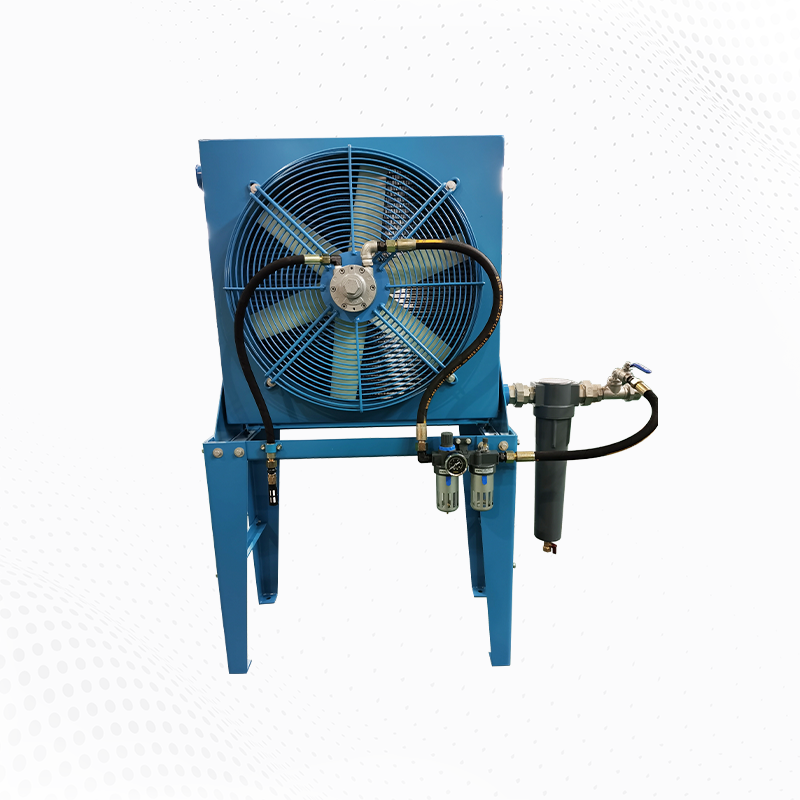
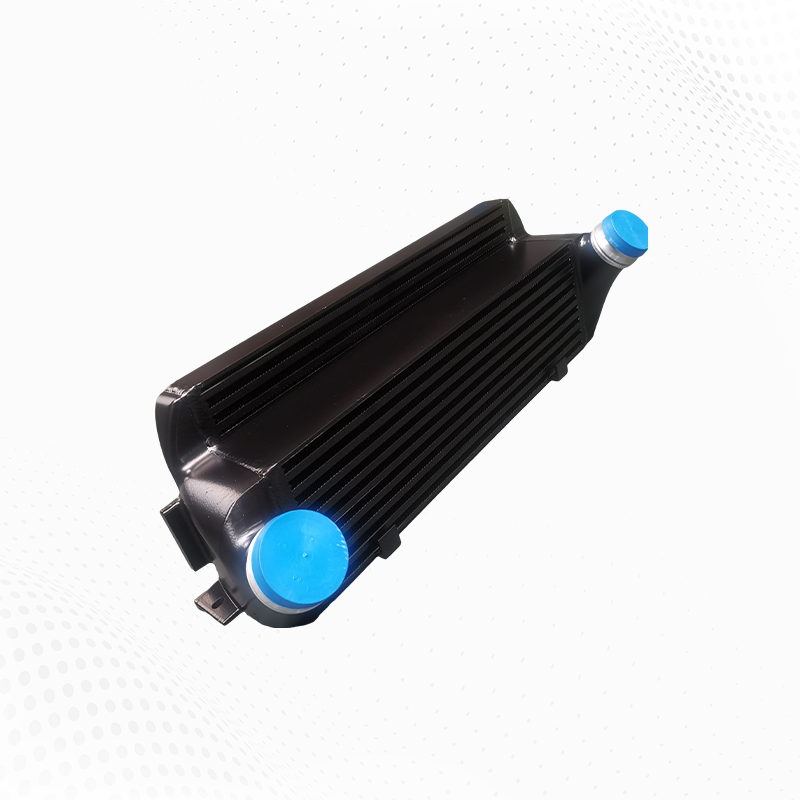
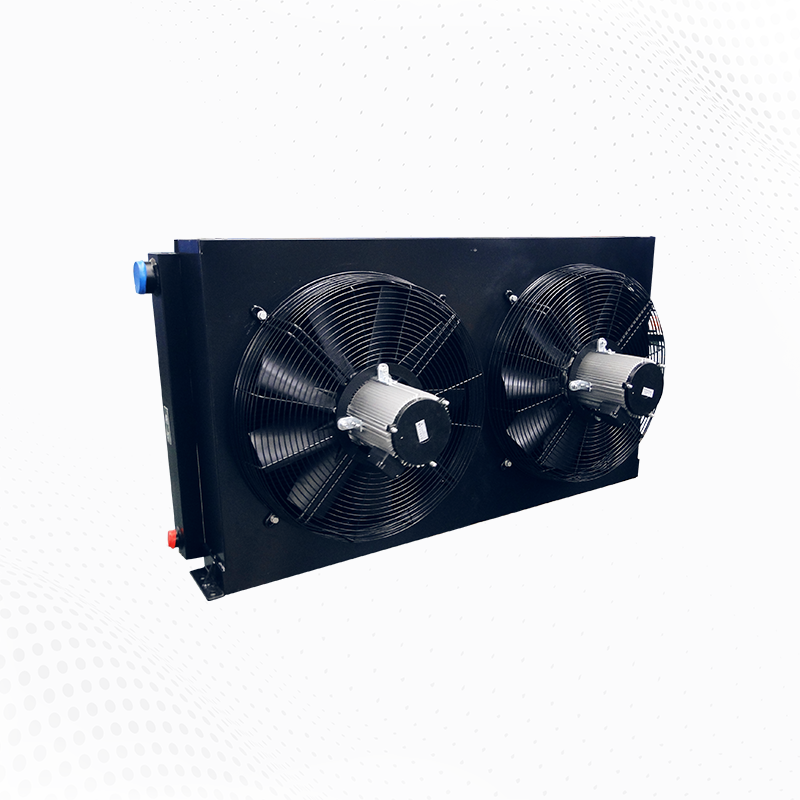
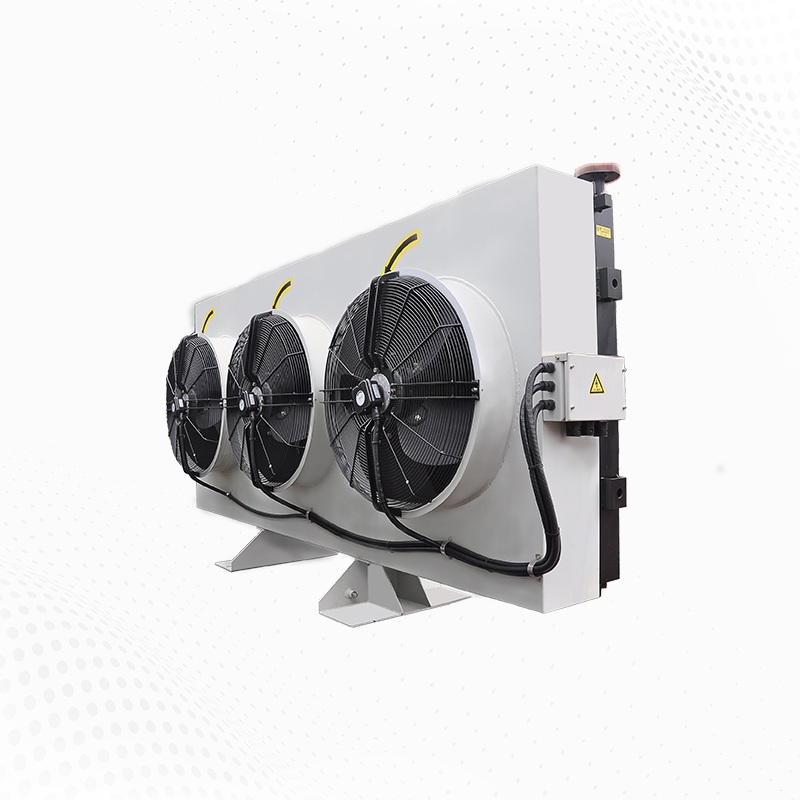
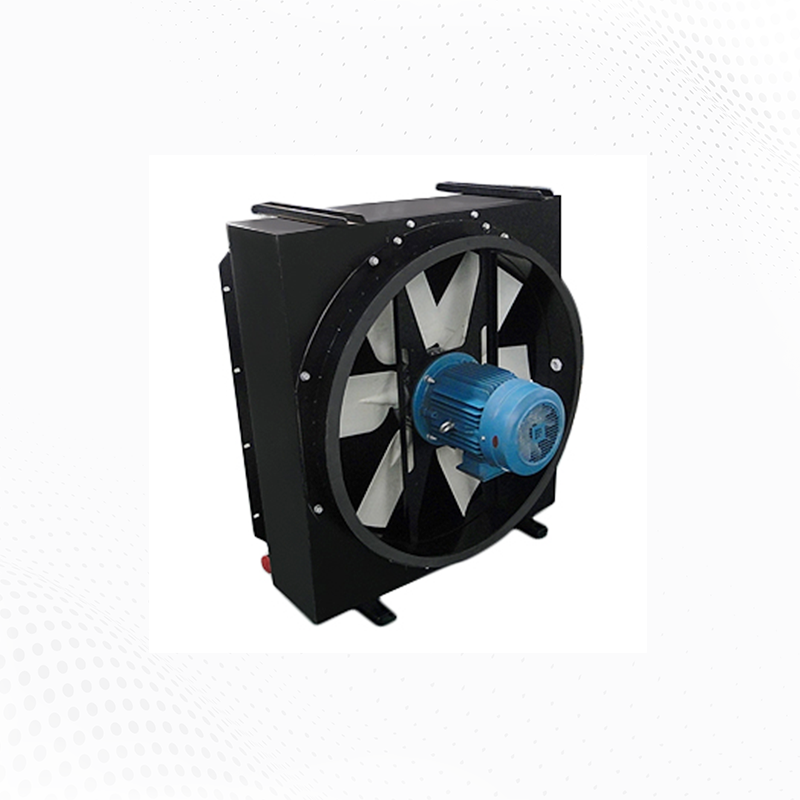
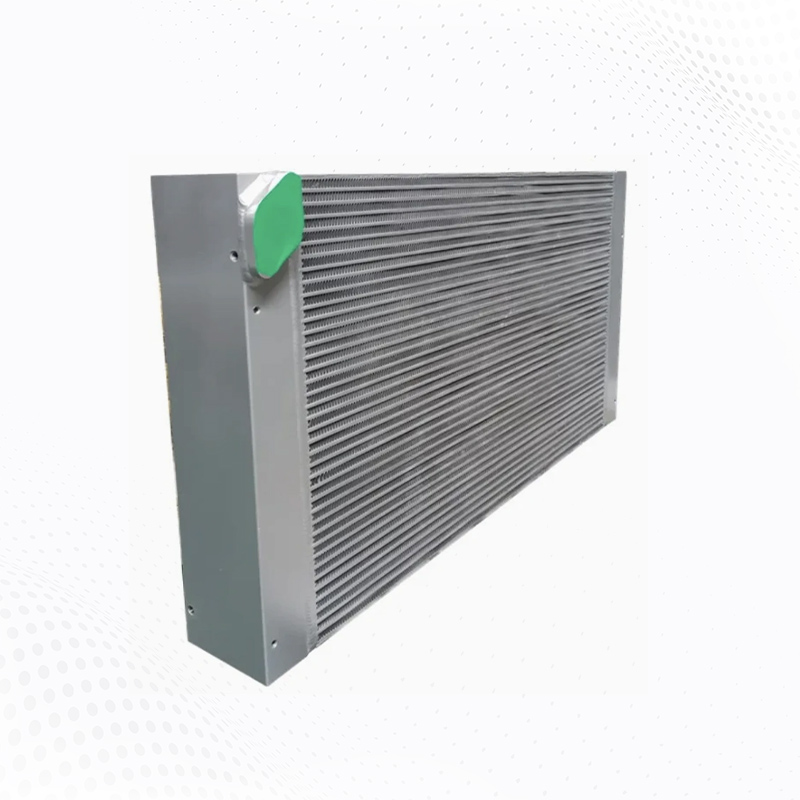
That is where the Compressor Oil Cooler Plate Bar Heat Exchanger plays an important role. Compared with older cooling structures, the Compressor Oil Cooler Plate Bar Heat Exchanger removes heat faster, handles higher pressure more reliably, and works better in compact industrial systems.
What Causes Compressor Oil Temperature to Rise
Many operators assume the compressor itself causes overheating, but the cooling system often creates the real problem.
When oil circulates continuously under high pressure, heat builds up very quickly. If the cooler cannot release that heat efficiently, oil temperature starts climbing.
Several situations commonly lead to this issue:
Cooling fins blocked by dust
Insufficient airflow
Cooling capacity too small
High ambient temperature
Continuous full-load operation
A properly designed high efficiency compressor oil cooling solution helps maintain stable oil temperature even during long operating hours.
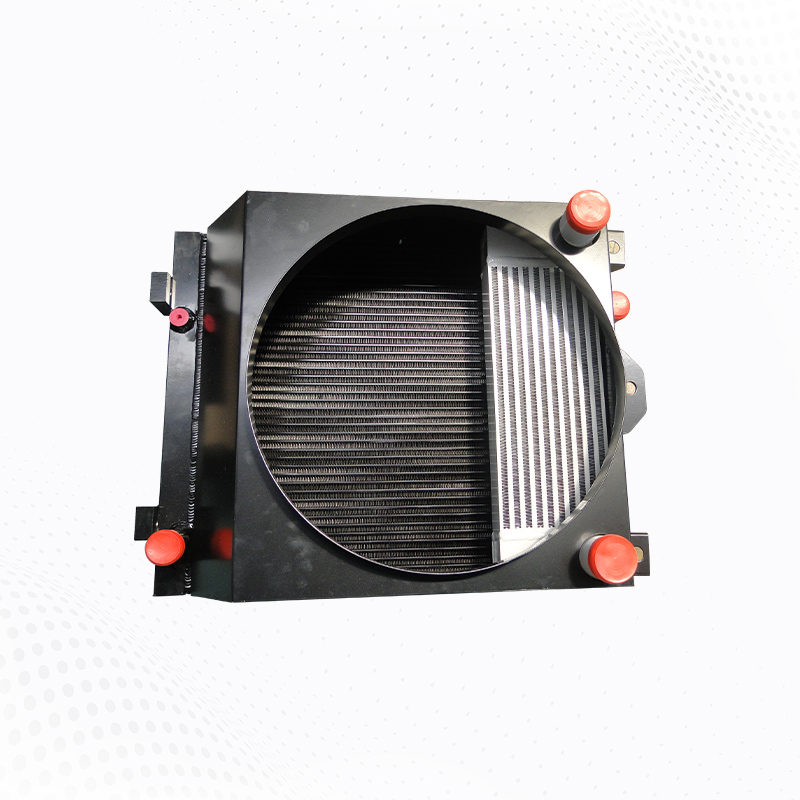
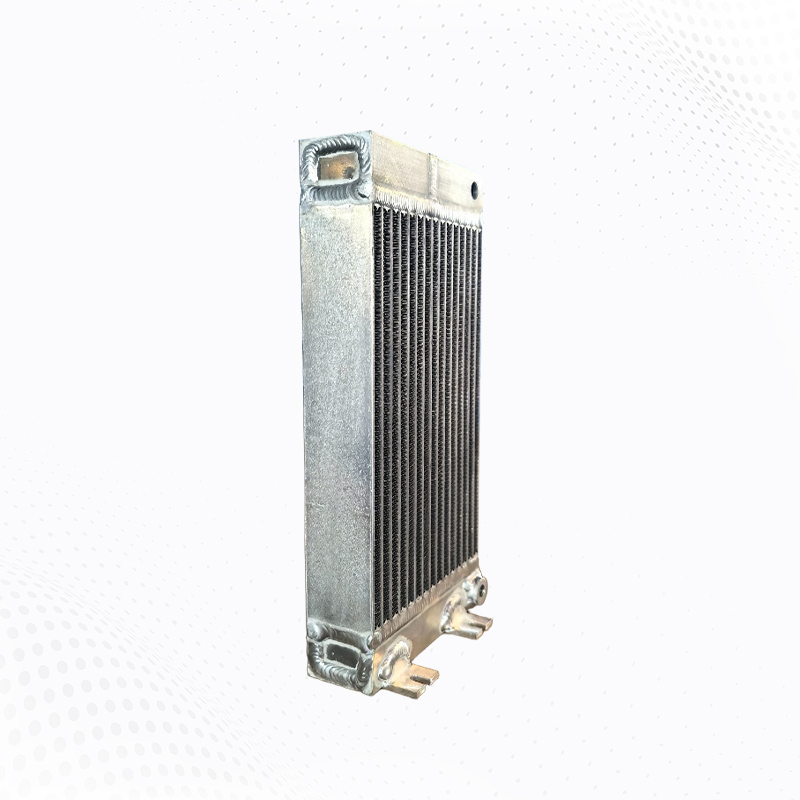
In compact industrial equipment, many manufacturers now prefer a compact plate bar heat exchanger for air compressor systems because standard cooling assemblies take up too much space.
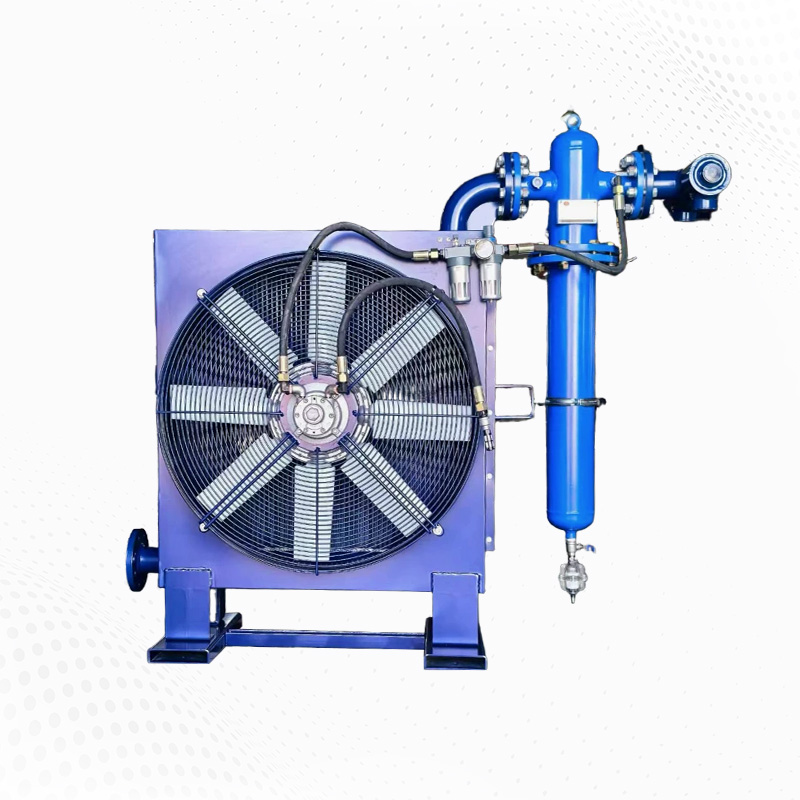
For heavy-duty applications, a heavy duty oil cooler for industrial compressors usually performs better under vibration and pressure fluctuation.
Why More Compressors Use Plate Bar Heat Exchangers
Traditional tube-fin coolers still exist in many systems, but more industrial users now switch to the Compressor Oil Cooler Plate Bar Heat Exchanger for practical reasons.
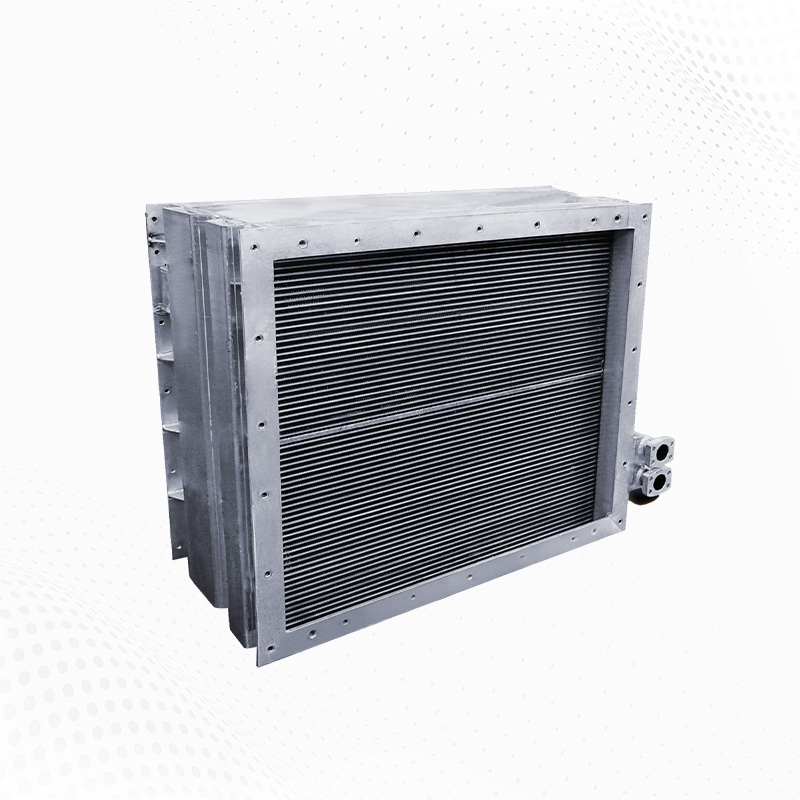
The internal plate-bar structure creates a larger heat transfer area while keeping the overall size relatively compact. That means the Compressor Oil Cooler Plate Bar Heat Exchanger can improve cooling performance without increasing installation difficulty.
Another advantage is structural strength. A heavy duty oil cooler for industrial compressors handles pressure changes and vibration more effectively than many conventional cooling designs.
The compact structure also helps modern compressor manufacturers optimize internal layout. That is why the compact plate bar heat exchanger for air compressor systems has become increasingly common in newer industrial equipment.
Where These Cooling Systems Usually Get Used
Screw Air Compressors
Continuous operation creates constant thermal load. A stable Compressor Oil Cooler Plate Bar Heat Exchanger helps prevent shutdowns caused by excessive oil temperature.
Industrial Gas Compression
Gas compression systems usually operate under higher pressure conditions. In these applications, a heavy duty oil cooler for industrial compressors provides more reliable cooling stability.
Mobile Compressor Equipment
Portable compressor units often have very limited installation space. A compact plate bar heat exchanger for air compressor systems fits more easily inside compact equipment layouts.
High Temperature Workshops
Factories with high ambient temperatures require stronger cooling performance. A high efficiency compressor oil cooling solution helps maintain stable operation under these conditions.
How to Choose the Right Cooling System
Focus on Real Heat Load
Bigger is not always better. The Compressor Oil Cooler Plate Bar Heat Exchanger should match the compressor's actual operating conditions.
Check Airflow Design
Even a large cooling core performs poorly if airflow is restricted. A good high efficiency compressor oil cooling solution balances both airflow and oil circulation.
Consider Installation Space
Modern equipment layouts leave less room for oversized cooling systems. A compact plate bar heat exchanger for air compressor systems often works better in limited spaces.
Look at Structural Strength
Industrial compressors create constant vibration. A heavy duty oil cooler for industrial compressors should handle long-term vibration without leakage problems.
Simple Maintenance Tips That Help a Lot
Clean Dust Regularly
Dust buildup reduces airflow faster than many people expect. Keeping the Compressor Oil Cooler Plate Bar Heat Exchanger clean improves long-term cooling efficiency.
Monitor Oil Temperature Changes
Sudden temperature increases often indicate airflow blockage or reduced cooling performance inside the high efficiency compressor oil cooling solution.
Check Mounting Points
A heavy duty oil cooler for industrial compressors still requires periodic inspection because vibration gradually affects fittings and brackets.
Don't Ignore Small Leaks
Minor leakage around hoses or joints can slowly reduce cooling efficiency over time.
Common Buying Mistakes
Choosing Only by Price
Some low-cost coolers look similar externally, but internal brazing quality and material thickness vary significantly.
Oversizing the Cooler
An oversized Compressor Oil Cooler Plate Bar Heat Exchanger does not automatically improve cooling if airflow remains insufficient.
Ignoring Space Restrictions
Many users purchase cooling systems before checking installation dimensions. A compact plate bar heat exchanger for air compressor systems often avoids this issue.
Using Standard Industrial Coolers
A regular cooler may struggle under continuous compressor operation. A dedicated heavy duty oil cooler for industrial compressors usually lasts longer in demanding environments.
Why Many Industrial Users Choose YUDA
YUDA focuses on industrial cooling systems designed for real operating conditions instead of simplified laboratory testing.
The Compressor Oil Cooler Plate Bar Heat Exchanger from YUDA combines compact structure, efficient heat transfer, and reliable durability for continuous industrial use.
Many customers prefer the high efficiency compressor oil cooling solution because it improves cooling stability during long operating cycles.
For limited installation environments, the compact plate bar heat exchanger for air compressor systems helps simplify equipment layout without sacrificing thermal performance.
Industrial operators also choose the s because it handles vibration, pressure fluctuation, and demanding operating conditions more reliably.
Conclusion
Oil temperature directly affects compressor efficiency, maintenance frequency, and equipment lifespan. Once overheating begins, operating stability usually declines very quickly.
A properly selected Compressor Oil Cooler Plate Bar Heat Exchanger helps maintain reliable cooling performance under continuous industrial operation. Whether the system involves screw compressors, gas compression equipment, or mobile compressor units, choosing the right cooling structure makes everyday operation more stable and efficient.
